
The gap between an inspiring session and real change
What the State of Facilitation 2026 report means for the cultural education sector?
Thursday, 9th July 2026
Teresa Baggaley, Head of Learning & Development at Curious Minds
"There’s a familiar moment facilitators look forward to at the end of a well-run session. The room is warm, people feel heard, ideas have flowed, and the feedback (hopefully) is constructive and positive. And yet, a few weeks or even months later, you’re rummaging through a desk drawer, and you stumble across the training materials, and you can’t help wondering what actually changed as a result of that session?
This question sits at the heart of the State of Facilitation 2026 report, which challenges a long-held assumption that great facilitation is defined by what happens in the room. The report suggests otherwise and highlights a shift from experience to impact.
For those of us working across arts, culture, and learning, this should sound familiar. Here at Curious Minds this isn’t a new conversation, we have always known the importance of impact but now we need to be clearer about what’s actually changed as a result of the facilitated sessions we deliver."
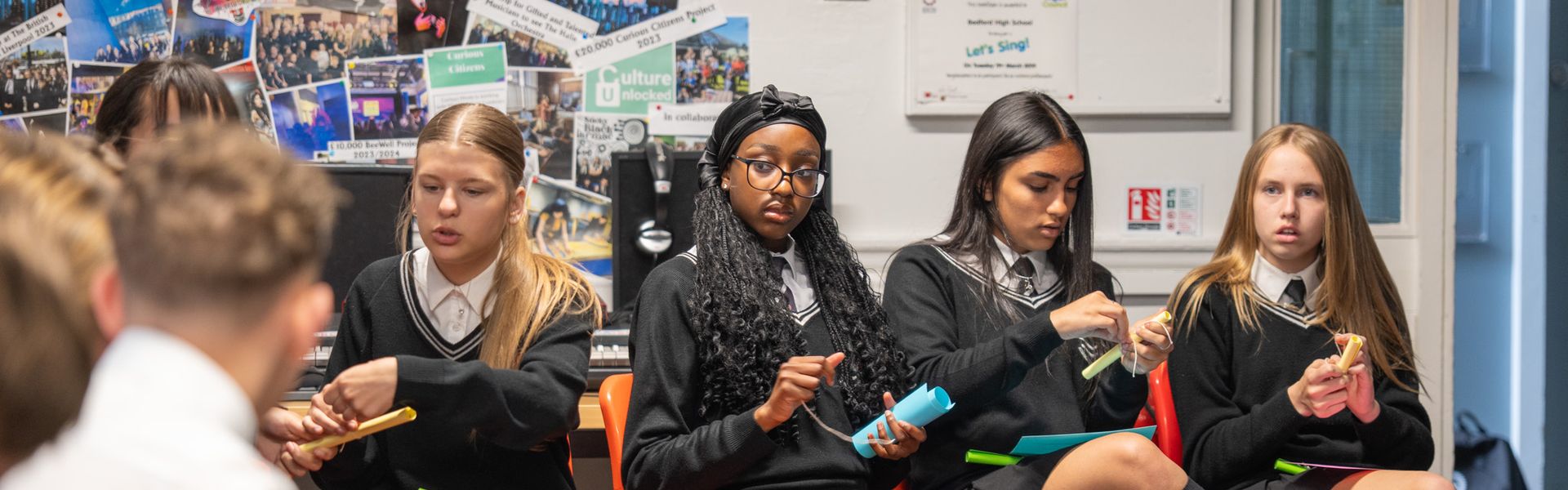
"Curious Minds sessions are designed to be engaging whilst building in critical thinking and problem-solving. This allows participants to leave not just inspired, but with a clear sense of what they’ll do next. And crucially, we build in opportunities to revisit those action plans, whether through follow-up conversations, reflective practice, or approaches like Most Significant Change, which help us understand what has shifted over time.
In many ways, this already reflects what the report is calling for. But it also highlights where the challenge now sits.
In the cultural sector, we often start with experience and that’s where the tension is. We’re great at creating spaces for reflection, creativity, and challenge, but if that’s where it ends, we risk underselling what facilitation can really do. We’ve always talked about facilitation as being transformative, but the report asks us to be clearer. It’s no longer enough to design for impact, we also need to articulate and demonstrate it more clearly and consistently.
This shift towards impact is something I’ve been reflecting on a lot in my own practice. Since completing the Level 5 Associate Diploma in Organisational Learning and Development, I’ve found myself making stronger connections to core learning and development principles like aligning learning to wider goals, thinking beyond immediate feedback, and focusing on how learning actually shows up in behaviour, systems and practice over time. What really stands out, though, is the gap between the more structured ways we evaluate impact in learning and development and what often happens in everyday facilitation practice. Bringing those two worlds closer together feels like a real opportunity, not just for facilitators, but for the cultural education sector as a whole."
It’s no longer enough to design for impact, we also need to articulate and demonstrate it more clearly and consistently.
Teresa Baggaley
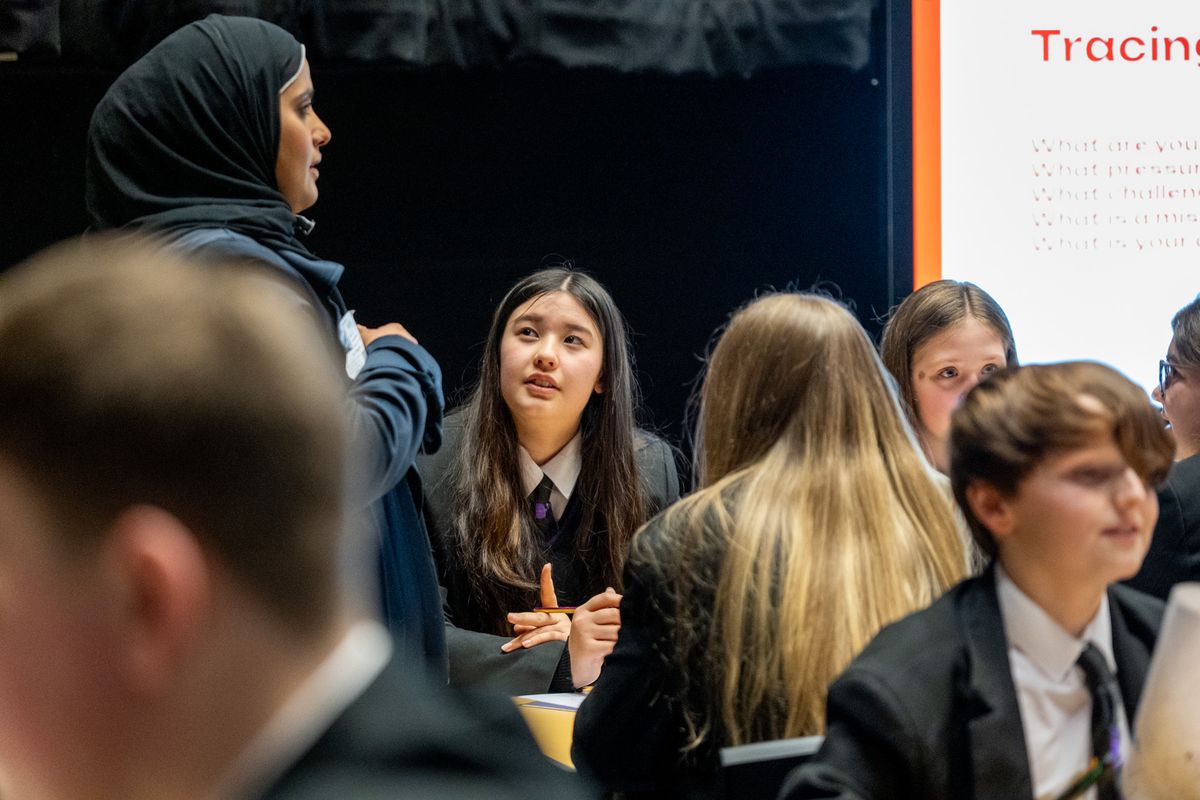
"Ultimately, the role of the facilitator is changing. It’s never just been about holding the space or guiding a conversation; it’s always been more than that. But what the report makes clear is that we now need to be more deliberate in how we design for change, and how we make sure that change lasts. In other words, we need to be much more intentional about it.
That means bringing together what we already do well in the cultural sector: building relationships, and creating inclusive spaces with a bit more of the structure and intentionality we see in organisational learning and development.
The State of Facilitation 2026 doesn’t feel like a critique, it feels like an opportunity. A great opportunity to move beyond that warm, fuzzy feeling we get at the end of a session, when things have flowed well, being our main measure of success. Instead, it asks us to connect what we do to meaningful outcomes, and to be more confident in how we talk about the difference our work makes.
For Curious Minds and for the wider sector, this feels like a moment to step into that space. Because when we get this right, facilitation isn’t just about better sessions it’s about making real, lasting change possible. Through our courses and programmes, we’re supporting practitioners and organisations to do exactly that. So if you’re ready to take that next step, I would love to hear from you."
Get in touch with Teresa
