

Module 1: Impact and value of school trips
.png)
Aims and description
This module explores why school trips matter and the impact they have on pupils’ learning, development, and engagement. It looks at how high-quality arts and cultural visits can support and enrich the curriculum in a meaningful way.
You will learn about the current picture of school trips using research from The Sutton Trust, helping you understand the challenges and opportunities of school trips.
The module also draws on evidence from the Cultural Learning Alliance, alongside our own insights from working directly with schools and pupils through programmes such as the Cultural Citizens programme. We also share findings from the Oxwell programme, which highlights how trips can support a sense of belonging for students.
We aim to:
-
Understand the impact of school trips
Build understanding of how school trips support pupils’ learning, development, engagement, and sense of belonging. -
Use evidence to inform practice
Explore key research and insights that highlight the value of trips, which helping you make informed decisions about planning and provision. -
embed Cultural Learning in the curriculum
Support you in recognising how arts and cultural experiences can enrich the curriculum and contribute to wider pupil outcomes.
Activity 1: Pre-read
The OxWell Student Survey is a collaboration between young people, schools, local authorities, the NHS and the OxWell research team at the University of Oxford’s Department of Psychiatry. It gathers the views of pupils aged 9–18 about their wellbeing, mental health, and school experience. It provides schools with valuable insight into what helps young people feel engaged, supported, and able to thrive.
The OxWell 2025 survey revealed:
58% of pupils identified school trips as the top factor helping them feel engaged with their school community
School trips ranked higher than:
- after-school clubs
- sports and enrichment activities
- whole-school event
Importantly, this was consistent across all groups of learners, including those who may be more vulnerable or less engaged in school.
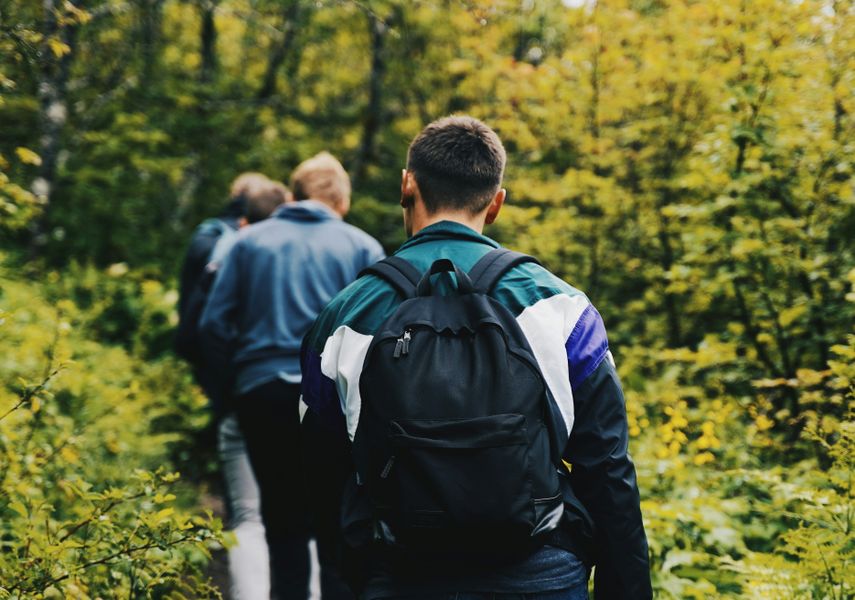
Why This Matters
The findings reinforce that high-quality learning is not confined to the classroom. When aligned to curriculum intent, school trips can directly support:
- An ambitious, knowledge rich curriculum by providing:
- real-world contexts that deepen subject understanding
- opportunities for enquiry, observation, and application
- memorable experiences that support long-term learning
- Personal Development by increasing:
- Personal Development by increasing:
- cultural capital
- opportunities for enquiry, observation, and application
- communication and teamwork skills
- Inclusion and Equity by ensuring all learners benefit, including those who may:
- struggle with engagement
- feel less connected to school
- experience anxiety or low confidence
- Positive behaviour and attitudes to learning by providing:
- active, meaningful tasks
- encouraging curiosity and ownership
- offering alternative ways to succeed
To find out more about the most recent data, Watch this film
Read the Oxwell Reports
Activity 1
Having learnt more about the OxWell data:
-
What insights does this data give you?
-
What questions does this raise for you and your school?
-
What one small action can you take as a result of this data?
Share your thoughts here
Top Tips
-

Make the case for equity and access
Use the Sutton Trust findings to highlight that school trips are increasingly being cut due to funding pressures, with around 50% of school leaders reporting reductions—and even higher in disadvantaged schools. Position trips as essential for closing opportunity gaps and ensuring all pupils can access enriching experiences, not just those who can afford them.
Read Sutton Trust Findings -

Back up your case with pupil voice and evidence
Use the OxWell data as a starting point to build a clear, evidence- based case for trips. For example, 58% of pupils say trips are the top factor for feeling engaged at school. This strengthens your argument by showing that trips have a proven impact on engagement, belonging, and wellbeing.
-

Align trips with curriculum and personal development goals
Use the Curious Citizens programme as a starting point to demonstrate how trips support: curriculum depth and real-world learning creativity and curiosity personal development and cultural capital. Advocating for trips in this way shows they are not an “add-on,” but a key part of delivering high-quality education.
Learn about Curious Citizens -

Stay informed and responsive to cultural education trends and impact
Draw on insights from the Cultural Learning Alliance, in particular its annual Report Card. Use wider national research to stay up to date with current trends and expectations in Arts Education.
Further reading
The Sutton Trust: School Funding and Pupil Premium Report (2023)
This survey of 1,428 teachers reveals a concerning picture for schools, with essential staff and activities – including teaching assistants, school trips and IT equipment – being cut by school leaders at a higher level than previously seen.
Read Report
Curious Minds: Curious Citizens
This programme is delivered in schools, using a lunchtime or after-school club model, and focuses on opening doors for children who would not normally have access to such experiences nor opportunity to grow their cultural capital outside school.
Find out more
Clore Duffield School Grants programme case studies
The Clore Duffield Foundation School Trips Grant funds schools to deliver regular, high-quality educational trips. It covers 100% of costs, enabling access to a wide range of cultural and enrichment experiences that many pupils would not otherwise have.
The programme aims to broaden horizons and build cultural capital through sustained access to experiences beyond the classroom.
Curious Minds are proud to be delivering Curiosity Outside the Classroom: School Trips & Visits as part of this programme. To find out more about the impact of this programme read the case studies here:
- Highfield Leadership Academy, Blackpool
Case Study - Pensans Community Primary School, Cornwall
Case Study - Brannel School, Cornwall
Case Study - Devonshire Primary Academy, Blackpool
Case Study